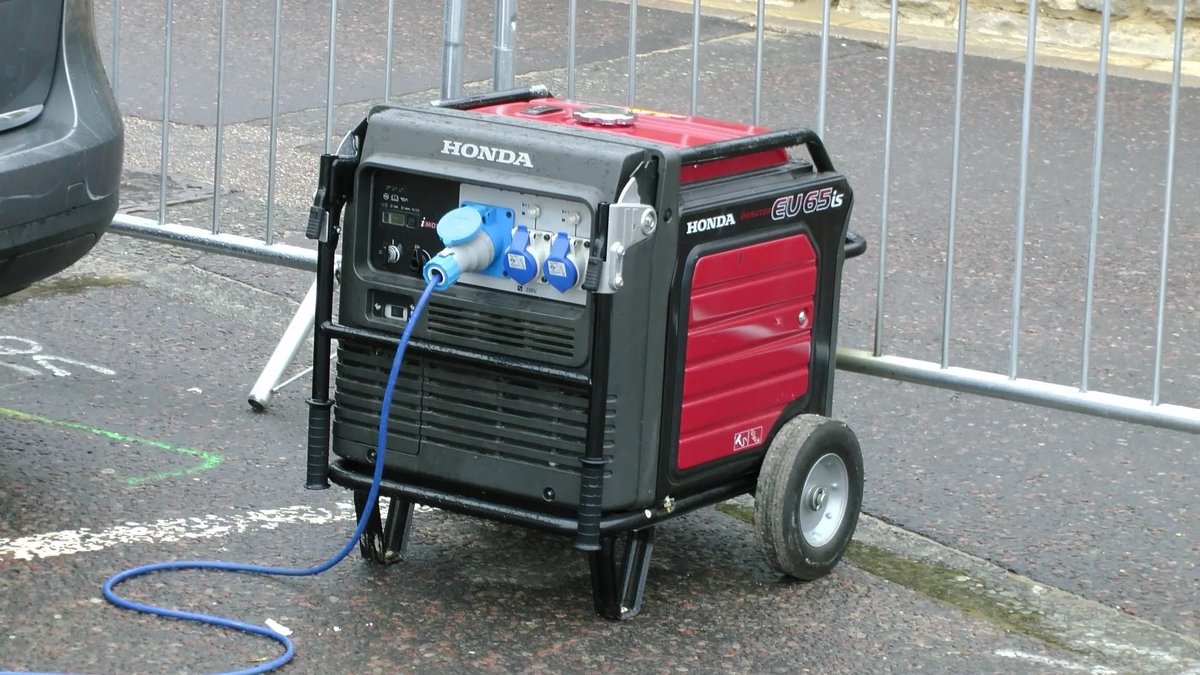
When the power goes out, a portable generator can feel like a lifeline, bringing light, warmth, and a sense of normalcy back to your home. But this powerful convenience comes with significant responsibilities. Mastering Generator Safety Essentials isn't just about avoiding an inconvenience; it's about protecting your life and the lives of your loved ones from invisible dangers.
Operating a generator safely requires more than just knowing how to plug it in. It demands an understanding of proper placement, electrical connections, and fuel handling to prevent carbon monoxide poisoning, electrocution, and fire. This guide will walk you through everything you need to know, transforming you from a hesitant user into a confident, safety-conscious operator.
Generator Safety At a Glance
Here���s a quick rundown of the critical safety practices you absolutely must follow when using a generator:
- Never Indoors, Even a Garage: Carbon monoxide is deadly and invisible. Always operate generators outdoors, far from windows and doors.
- Install CO Alarms: Place battery-operated carbon monoxide alarms on every level of your home, especially near sleeping areas.
- Proper Electrical Connections: Use a transfer switch or interlock kit to connect to your home's electrical system, preventing dangerous backfeeding.
- Heavy-Duty Cords: If powering appliances directly, use only heavy-duty, outdoor-rated extension cords.
- Cool Before Refueling: Generators are hot. Always turn off the engine and let it cool completely before adding fuel.
- Store Fuel Safely: Keep fuel in approved containers, away from living areas and heat sources.
- Test Regularly: Run your generator periodically to ensure it's ready when you need it most.
- Read the Manual: Your generator's owner's manual is your ultimate safety guide.
The Silent Killer You Can't Ignore: Carbon Monoxide Poisoning
Let’s be brutally honest: the biggest, most insidious threat from a generator isn't a power surge or a fire – it's carbon monoxide (CO) poisoning. This invisible, odorless, tasteless gas is a byproduct of burning fuel, and it kills quickly and quietly. When inhaled, CO replaces oxygen in your bloodstream, starving your organs and brain. It's a danger that FEMA and NFPA consistently highlight as the leading cause of generator-related fatalities.
Why CO Is So Dangerous
Because you can't see, smell, or taste carbon monoxide, you won't realize you're being poisoned until it's too late. Symptoms can mimic the flu: headache, nausea, dizziness, weakness, confusion, and then collapse. Many victims become disoriented and unable to escape. Even a "brief" exposure to high levels can be fatal.
Your First Line of Defense: CO Alarms
Just as you have smoke detectors for fire, you must have carbon monoxide alarms for generators. Install battery-operated or battery-backup CO alarms on every level of your home, especially near sleeping areas. Test them regularly, just like your smoke detectors, and replace batteries as recommended by the manufacturer. These devices are non-negotiable lifesavers.
Location, Location, Location: Where to Put Your Generator
The cardinal rule of generator safety is simple but absolutely critical: Always operate generators outdoors, in a well-ventilated area, and far away from your home. This isn't a suggestion; it's a non-negotiable directive to prevent carbon monoxide from accumulating inside your living spaces.
The "20-Foot Rule" (And Why It Matters)
Experts, including the NFPA, recommend placing your generator at least 20 feet (about 6 meters) from your home. Crucially, direct the exhaust away from any windows, doors, or vents that could allow fumes to seep indoors. Even a slightly open window can draw in deadly CO.
Think about the airflow around your house. Avoid placing the generator under eaves, next to exterior walls, or in areas where wind could blow exhaust back toward the building. Your generator should be on a dry, level surface, protected from direct precipitation but still entirely in the open air.
The Deadly "Never" List: Places You Must Avoid
- Inside Your Home: This is an absolute no. Not even for a minute.
- Attached Garage (Open or Closed): Even with the garage door open, CO can build up rapidly and easily enter your home through shared walls, ducts, or even small cracks.
- Carport or Covered Patio: These spaces, while seemingly "open," can trap CO, allowing it to reach dangerous levels.
- Basements or Crawl Spaces: These areas are ventilation nightmares.
Operating a generator safely starts with respecting its exhaust. Give it plenty of room to dissipate into the open atmosphere, keeping your family safe indoors.
Powering Up Safely: Electrical Connections
Connecting your generator to your home's electrical system is where many people make dangerous mistakes. The biggest threat here is "backfeeding," an electrocution hazard that can harm utility workers and damage your home's appliances.
The Danger of Backfeeding
Backfeeding happens when you connect a portable generator directly to your home's main electrical panel or plug it into a wall outlet. This sends electricity down the utility lines, potentially energizing them even when they appear to be down. Utility workers, believing the lines are de-energized, could be electrocuted. It also risks damaging your generator, your home's wiring, and any connected appliances. Never, ever attempt to backfeed your home's electrical system.
The Only Safe Ways to Connect: Transfer Switches and Interlock Kits
If you want to power your home's hardwired appliances (like a furnace, well pump, or ceiling lights) directly from your generator, you must use one of two safe methods:
- Manual Transfer Switch (MTS): This is a dedicated panel installed next to your main electrical panel. When the power goes out, you manually switch specific circuits from utility power to generator power. An MTS isolates your home from the utility grid, preventing backfeeding.
- Interlock Kit: An interlock kit is a mechanical device that physically prevents the main utility breaker and the generator breaker in your electrical panel from being on at the same time. This ensures you can't accidentally backfeed the grid. An interlock kit should always be installed by a qualified electrician.
Consult with a licensed electrician to determine the best solution for your home and generator. They can ensure your system is compliant with local codes and safe for operation.
Using Extension Cords: The Right Way
If you're not using a transfer switch or interlock kit, you'll be powering individual appliances directly from your generator using extension cords. This is perfectly safe if done correctly:
- Heavy-Duty and Outdoor-Rated: Use only extension cords rated for outdoor use and heavy loads. Look for cords with a thick gauge (e.g., 10 or 12 gauge) to handle the amperage without overheating.
- Appropriate Length: Use cords long enough to reach your appliances without being stretched or needing multiple cords daisy-chained together. However, avoid excessively long cords, which can cause voltage drop.
- No Frayed Wires: Inspect cords before each use for any cuts, fraying, or damage. Replace damaged cords immediately.
- Keep Them Dry: Avoid running cords through standing water or wet areas.
- Don't Overload: Don't plug too many appliances into one cord, and ensure the total wattage doesn't exceed the generator's capacity or the cord's rating.
Remember, extension cords are for individual appliances. Never run an extension cord from the generator into your house and plug it into a wall outlet. That's backfeeding.
Grounding Your Portable Generator
Some portable generators require grounding, which helps protect against electrical shock in case of a fault. Check your generator's owner's manual to see if it needs to be grounded and how to do it properly. Typically, this involves connecting a grounding rod into the earth and running a wire from the generator's frame to the rod.
For those eager to dive deeper into general operation, you can Learn how to use generators effectively and safely.
Fueling Your Lifeline: Handling Gas and Propane
Generators run on fuel, and fuel is inherently flammable. Mishandling gasoline, propane, or diesel can lead to serious fires or explosions. Taking a few simple precautions can make all the difference.
The "Cool Down" Rule for Refueling
Never refuel a hot or running generator. Gasoline vapors are highly flammable, and spilled fuel on a hot engine can instantly ignite. Always:
- Turn off the generator engine.
- Allow it to cool completely for at least 15-20 minutes before attempting to refuel.
- Refuel in a well-ventilated outdoor area, away from any ignition sources like pilot lights, sparks, or open flames.
Proper Fuel Type and Storage
- Use the Correct Fuel: Always use the type of fuel specified in your generator's owner's manual (e.g., unleaded gasoline, propane, diesel). Using the wrong fuel can damage the engine and void your warranty.
- Fresh Fuel is Best: Fuel can degrade over time, especially gasoline. Use fresh fuel, and consider adding a fuel stabilizer if you plan to store gasoline for more than a few months.
- Approved Containers Only: Store fuel in brightly colored, clearly labeled containers approved for fuel storage. Gasoline cans are typically red, diesel yellow, and kerosene blue.
- Safe Storage Location: Store fuel containers in a secure, well-ventilated outdoor area, away from your home, direct sunlight, and any heat sources or potential ignition sources. Never store fuel indoors, in a basement, or in an attached garage.
- Limit Quantity: Store only the minimum amount of fuel needed.
Spill Prevention and Cleanup
Be careful when pouring fuel to avoid spills. If a spill occurs, clean it up immediately with absorbent materials. Dispose of fuel-soaked rags safely, and allow any spilled fuel to fully evaporate before starting the generator. Keep a fire extinguisher (rated for Class B fires, which involve flammable liquids) nearby when operating or fueling your generator.
Generator Maintenance: Keeping It Ready When You Need It
A generator is an emergency tool, and like any emergency tool, it needs to be ready to perform when called upon. Regular maintenance and test runs are crucial for reliability and safety.
The Power of Routine Checks
Before and after each use, perform these basic checks:
- Oil Level: Check the oil level and top off if necessary, using the type of oil recommended in your manual.
- Air Filter: Inspect the air filter for dirt and debris. Clean or replace it as needed. A clogged air filter can reduce performance and increase fuel consumption.
- Spark Plug: Examine the spark plug. A fouled or damaged plug can lead to hard starting or poor running.
- Fuel Levels: Ensure you have enough fresh fuel for anticipated use.
- General Inspection: Look for loose wires, damaged cords, leaks, or any signs of wear and tear.
The Importance of Test Runs
Don't wait for a power outage to discover your generator won't start. Perform regular test runs to keep your generator in top condition:
- Frequency: Aim for a test run once a month or at least once every quarter.
- Duration: Run the generator for 20-30 minutes under a light load (e.g., plug in a few lights or a small appliance). This helps circulate oil, keeps the carburetor from gumming up, and ensures all components are working.
- Listen and Observe: Pay attention to any unusual noises, vibrations, or smoke during the test run.
- Record Keeping: Keep a log of maintenance dates and test runs.
Storage Between Uses
When not in use for extended periods, proper storage is essential:
- Fuel Stabilizer: If storing with fuel in the tank for more than a month, add a fuel stabilizer according to product directions.
- Drain Fuel (for long-term): For very long-term storage (e.g., over a year), it's often best to drain the fuel system completely or run the generator until it's out of fuel.
- Cleanliness: Clean the exterior of the generator, removing any dirt or debris.
- Cover: Use a generator cover to protect it from dust and moisture.
- Secure Location: Store it in a dry, well-ventilated area, away from living spaces and potential hazards.
Before the Lights Go Out: Your Pre-Outage Checklist
Preparedness is your best friend when it comes to generator safety. Taking steps before a storm or a planned outage can save you time, stress, and potential hazards.
Understand Your Generator's Manual
This cannot be stressed enough: Read your generator's owner's manual from cover to cover. It contains specific instructions for safe operation, maintenance schedules, fuel requirements, and troubleshooting unique to your model. Treat it as your primary reference guide.
Develop a Power Plan
- What to Power: Decide beforehand which appliances and circuits are most critical during an outage. This helps you determine generator size and cord routing.
- Load Management: Understand your generator's wattage capacity. You'll likely need to prioritize and rotate appliances to avoid overloading.
- Practice Setup: Run through the entire setup process (placement, fueling, starting, connecting) at least once during daylight hours, so you're not fumbling in the dark under pressure.
Assemble an Emergency Kit
In addition to your generator, have these items readily available:
- Fresh Fuel: Enough for at least 12-24 hours of operation, stored safely.
- Spare Oil: The correct type for your generator.
- Heavy-Duty Extension Cords: Inspected and ready.
- Carbon Monoxide Alarms: With fresh batteries.
- Fire Extinguisher: Rated for Class B (flammable liquids).
- Flashlights and Headlamps: With spare batteries, so you don't rely on phone light.
- First Aid Kit: For any minor accidents.
- Wrench/Tools: For minor adjustments or maintenance.
- Gloves and Eye Protection: For refueling and maintenance.
- Generator Cover/Shelter: To protect it from rain while maintaining ventilation.
By creating a comprehensive plan and having your supplies ready, you significantly reduce the risks associated with emergency generator use.
Common Generator Safety Questions Answered
Even with all the guidelines, some questions pop up frequently. Here are quick, definitive answers to common generator safety queries:
Can I run my generator in the rain?
You should never operate a generator in standing water or in conditions where it could become waterlogged, as this creates a severe electrocution risk. However, you can use a generator in light rain or snow if it is protected by an open-sided, temporary canopy or a purpose-built generator cover that allows for ample airflow and exhaust dissipation. These covers shield the electrical components from moisture while ensuring proper ventilation. Never use a tarp draped directly over the generator, as this will trap heat and fumes.
What about "enclosed" generators or running one in an open garage?
An "enclosed" generator typically refers to a standby generator housed in a permanent, professionally installed sound-attenuated enclosure, with proper ventilation and exhaust systems built in. These are designed for continuous outdoor operation. A portable generator, by contrast, is not designed to be run in any type of enclosure, even an "open" garage or shed. As emphasized, any partially enclosed space can quickly accumulate deadly carbon monoxide. Always operate portable generators in the wide open air, at least 20 feet from your home.
How long can I run my portable generator continuously?
Most portable generators are not designed for continuous 24/7 operation. They typically need to be shut down periodically to cool, refuel, and allow for oil checks. Check your owner's manual for specific run-time recommendations. Running a generator non-stop can lead to overheating, premature wear, and potential breakdowns. It's a good practice to give your generator a break every 8-12 hours, even if just for refueling and a quick inspection.
Is it safe to store fuel indoors if I just bought it?
No. Flammable fuels like gasoline should never be stored indoors, in basements, or in attached garages, even if they are in approved containers and you've just purchased them. Vapors can leak, accumulate, and be ignited by pilot lights, water heaters, furnaces, or even a spark from an appliance. Always store fuel in a cool, dry, well-ventilated outdoor shed or separate storage area, away from your home and any heat sources.
Your Home's Power, Your Family's Safety
Using a generator safely during a power outage offers immense peace of mind and comfort. But that comfort should never come at the cost of safety. By understanding the critical dangers of carbon monoxide, practicing correct placement, ensuring secure electrical connections, and handling fuel with care, you transform a potentially hazardous machine into a reliable emergency asset.
Treat your generator with respect, adhere to the guidelines provided, and always refer to your owner's manual. Your diligence in following these Generator Safety Essentials will ensure that when the lights go out, you and your family can stay safe, warm, and powered up until normalcy returns.