Power outages can disrupt life, but a reliable generator offers peace of mind, keeping essential appliances running when the grid goes down. Unlike permanently installed standby generators that automatically kick in, portable generators give you the flexibility to power crucial items like refrigerators, lights, and media devices wherever you need them. But with that power comes responsibility.
This guide isn't just about turning it on; it’s about understanding your generator, using it safely, and maintaining it for years to come. We’ll walk you through everything from selecting the right model to safe operation and smart maintenance, ensuring you’re always prepared.
Choosing the Right Generator for Your Needs
Before you even think about starting a generator, you need the right one. Portable generators come in various types, including gasoline, propane, dual-fuel, and even solar or wind-powered options. Your choice depends on your specific power requirements, fuel availability, and environmental considerations.
Consider how long you anticipate needing backup power and what devices are absolutely essential. A quick rundown of your appliances' wattage needs is crucial here. To dive deeper into the different kinds of generators and their best uses, check out our in-depth resource on Understanding Generator Types and Applications. This will help you make an informed decision that suits your household.
Estimating Your Power Requirements
Getting the right size generator is paramount. Too small, and you won't power everything; too large, and you might waste fuel and money. Start by listing every item you plan to power during an outage. For each, find its running (rated) wattage from the owner's manual or data plate.
For larger appliances like refrigerators or sump pumps, also note their starting (surge) wattage – this is the extra boost of power they need to kick on. Your generator must be able to handle the sum of the largest appliance's starting watts plus the total running watts of all other items. Overloading can cause permanent damage to your generator and devices, so always stay within its specified limits.
Prioritizing Safety: Placement and Connection Essentials
Safety is non-negotiable when operating any generator. The most significant danger with fuel-powered generators is carbon monoxide (CO), an odorless, colorless, and deadly gas. Proper placement and connection methods are critical to preventing accidents and protecting your home.
Strategic Placement for Fuel-Powered Generators
Never use a fuel-powered generator indoors or in an enclosed space. This includes garages, basements, or crawl spaces. These generators must be placed outdoors, at least 20 feet away from your house, on a flat, stable surface. Ensure the exhaust is directed away from all windows, doors, and vents to prevent CO from entering your home. If you must operate it in inclement weather, use a generator cover or shelter designed to keep it dry without restricting airflow. Equip your home with working carbon monoxide detectors on every floor for an added layer of safety.
Solar generators, on the other hand, produce no CO emissions and can typically be used indoors. Place them in a dry area, away from high temperatures like fireplaces or heating devices. Always refer to your solar generator's manual for specific instructions regarding its safe placement. For a complete understanding of best practices, explore Your guide to generator safety.
Secure Connections: Cords and Transfer Switches
Connecting your generator correctly is vital to safely deliver power to your appliances. Use only heavy-duty exterior extension cords that are specifically rated for generator use and can handle the wattage of your devices. Keep cords as short as possible and avoid stringing multiple cords together, which can lead to voltage drops and potential damage. Run these cords through a window or door to your outdoor generator, but don't connect them to the unit just yet.
For hard-wired appliances like well pumps or furnaces, the safest and most effective method is to have a qualified electrician install a power-transfer switch. This switch allows your generator to safely power items on your home’s electrical panel, completely isolating your house from the utility grid. Under no circumstances should you ever plug a generator directly into a wall outlet (backfeeding). This creates an extremely dangerous situation, potentially sending current back into the utility lines and endangering power restoration workers. If you smell gas at any point, call a professional immediately before proceeding. You can find more detailed instructions on Connecting Generators to Homes and your essential devices safely.
Starting Your Generator: A Step-by-Step Guide
Once your generator is safely positioned and you understand the connection methods, it's time to bring it to life. The starting process varies slightly between fuel-powered and solar models, but a few universal rules apply.
Firing Up Fuel-Powered Generators
Before starting, ensure no cords are plugged into the unit. Fill the fuel tank (for gasoline models, ensure you know proper fueling techniques and never overfill). Turn the fuel valve to 'On' and set the on/off switch to 'On'. Pull the choke handle to 'Choke', then push and hold the start switch in 'Start' until the engine begins. As it sputters to life, gradually push the choke handle to 'Run'. Allow the motor to run for a few minutes to warm up before plugging in any devices. Remember, always store fuel away from the generator, and never refuel a hot generator – allow it to cool down completely first.
Activating Solar Generators
Starting a solar generator is typically much simpler, often involving just the press of a button or the flip of a switch. You may need to adjust settings for individual outlets or power modes depending on your specific model. Solar generators are known for their quiet operation and ease of use. For detailed, visual guidance on these steps, make sure to consult Set up and start your generator.
Plugging In Your Appliances
With your generator running steadily, you can now connect your devices. Always consult your generator’s manual for specific connection procedures. Some models recommend starting with the appliance that draws the most power (like a refrigerator) and allowing it to run for a short period before connecting other items. Connect each item to its extension cord, then plug the extension cord into the generator housing. With solar models, you might be able to plug items directly into the unit. Crucially, always stay within your generator's power limits to avoid overloading. Unplug any non-essential appliances to maximize efficiency and prevent strain on the unit.
Maintaining Your Power Source: Fueling, Recharging, and Storage
A generator is an investment that requires ongoing care to ensure it performs reliably when you need it most. This includes proper fueling or recharging, routine maintenance, and smart storage practices.
Refueling Fuel-Powered Generators and Recharging Solar Units
For fuel-powered generators, safe refueling is paramount. Turn off all connected appliances or electronics, let the generator run for a few more minutes to use up residual fuel, then turn the generator off, flip the fuel switch off, and unplug all extension cords. Allow the unit to cool down completely before adding more fuel. This prevents dangerous fuel ignitions.
Solar generators offer a cleaner, often quieter recharging process. Connect solar panels to the unit and place them in an area that receives several hours of direct sunlight. Some solar models allow devices to remain connected and powered during charging. Charging times vary significantly based on the generator’s capacity, the type and number of panels, ambient temperature, and sunlight intensity. Wind-capable solar generators require windy conditions for charging. Detailed instructions on these vital processes can be found in Berikut adalah beberapa pilihan: Essential fueling.
Routine Maintenance and Long-Term Storage
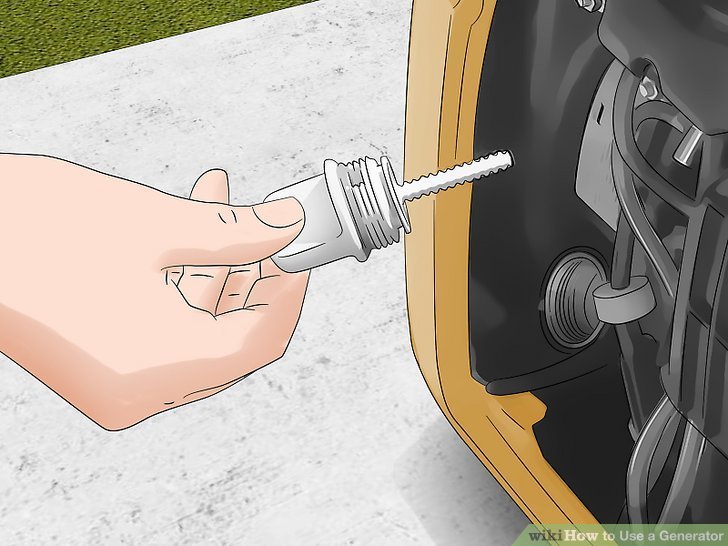
Regular maintenance is key to your generator's longevity and reliability. Perform routine inspections, checking oil levels (change if dark or gritty), inspecting cables and connectors for any wear or fraying, and examining the fuel system for leaks or stale fuel. Keep the generator clean; dust and dirt can clog filters and vents, reducing efficiency. Clean or replace the air filter as needed. Always follow the manufacturer’s guidelines for scheduled servicing, including spark plug replacement and battery checks.
When storing your generator for an extended period, especially fuel-powered models, drain all fuel and run the generator until it stops to clear the fuel lines completely. Clean the unit, check/change the oil, and remove the battery if applicable (store it in a cool, dry place). Store your generator in a dry place like a garage or shed, protected from weather elements. Using a breathable cover and keeping it off the ground (e.g., on a wooden pallet) can prevent rust and prolong its life.
Troubleshooting and Power Surges
Even with the best preparation, issues can arise. Knowing how to troubleshoot common problems and protect your electronics from power surges is an essential part of generator use.
Protecting Against Power Surges
Always use a surge protector to safeguard sensitive electronics. Many modern generators have built-in surge protection, but an external one offers an extra layer of defense. If you notice lights flickering or any connected devices struggling, unplug non-essential items immediately and, if necessary, restart the generator.
Common Issues and Solutions
- No Power? The most common culprits are an empty fuel tank or low oil levels. Generators often have an automatic low-oil shutdown feature to prevent engine damage.
- Poor Performance? A dirty air filter can significantly reduce efficiency. Clean or replace it as needed.
- Unusual Sounds? If you hear strange noises, turn off the generator immediately. Consult your manual for troubleshooting or seek professional help.
Safe Shutdown and Future Preparedness
When the grid power returns or you no longer need your generator, a safe and methodical shutdown is just as important as the startup.
- Turn off all connected devices: Unplug appliances or turn off switches.
- Turn off the generator’s main switch: This cuts power from the generator to your connected items.
- Allow the generator to cool down: Especially for fuel-powered units, this is crucial before handling or storing.
- Turn off the fuel valve: For gasoline models, this prevents leaks and ensures the system is depressurized.
- Store your generator safely: Place it in a dry location, away from flammable materials. After shutdown, perform a quick inspection for any leaks or damage, clean the exterior, and check/add oil or inspect/replace the air filter as part of your ongoing maintenance.
Most portable generators can run for 8 to 12 hours on a full tank, depending on the load. Always monitor fuel levels and allow for breaks if using continuously for extended periods. For prolonged outages, larger or dual-fuel options might be more suitable. By following these guidelines, you’ll not only ensure your generator is ready for the next emergency but also extend its lifespan, giving you reliable power when it matters most.